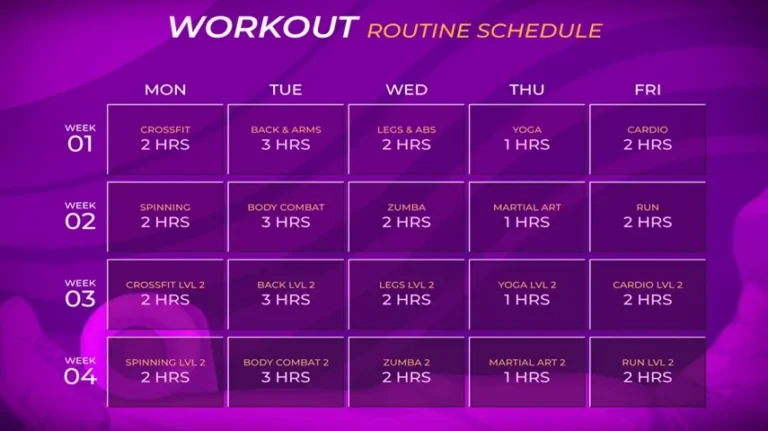
When it comes to achieving your fitness goals, understanding the difference between cardio and strength training is essential. Both forms of exercise offer unique benefits and play pivotal roles in a well-rounded fitness plan. But which is the best fit for your specific goals? Let’s dive into the fitness comparison to help you make an informed decision.
Why Cardio vs Strength Training is Essential
Before choosing between cardio and strength training, it’s important to recognize that these two forms of exercise cater to different aspects of fitness. Cardio, short for cardiovascular exercise, focuses on improving heart health, burning calories, and enhancing endurance. Strength training, on the other hand, is about building muscle, increasing strength, and improving body composition.
Cardio Benefits
Cardio exercises, such as running, swimming, or cycling, are aerobic workouts that raise your heart rate. Here are some key advantages:
- Calorie Burning Methods: Cardio is excellent for burning calories and aiding in weight loss.
- Endurance Improvement: Regular aerobic workouts enhance your stamina and cardiovascular health.
- Fat Burning Exercises: It’s a go-to for reducing fat, especially when paired with a healthy diet.
Strength Training Advantages
Strength training, also known as resistance training, includes activities like weightlifting, resistance band exercises, or bodyweight workouts. Its benefits include:
- Muscle Building Workouts: Develop and tone muscles for a leaner appearance.
- Body Composition Changes: Increase muscle mass, which can boost metabolism and reduce fat.
- Strength vs Stamina: Focuses on building strength and functional fitness rather than endurance.
Choosing the Right Exercise for Your Goals
Your choice between cardio and strength training largely depends on what you want to achieve. Below are some common fitness goals and the recommended exercise approach for each:
Weight Loss
- Cardio Focus: Cardio burns more calories during a workout session, making it ideal for shedding pounds quickly.
- Strength Training: Building muscle increases resting metabolism, which helps maintain long-term weight loss.
- Fitness Plan Strategies: A combination of both is often the most effective approach for sustainable results.
Muscle Building
- Strength Training Emphasis: Engage in progressive overload workouts, such as lifting heavier weights over time.
- Supplementary Cardio: Incorporate light aerobic exercises to support recovery and improve overall endurance.
Improved Endurance
- Cardio-Heavy Routines: Activities like jogging, swimming, or cycling should be the core of your workout plan.
- Strength Training Support: Include resistance exercises to prevent muscle imbalances and maintain strength.
Step-by-Step Guide to Combining Cardio and Strength Training
For a balanced fitness routine, combining cardio and strength training is key. Here’s how you can structure your week:
Weekly Workout Schedule
- Day 1: Cardio (30-45 minutes of moderate-intensity aerobic exercise)
- Day 2: Strength training (Full-body workout focusing on major muscle groups)
- Day 3: Active recovery (Yoga, walking, or light stretching)
- Day 4: High-Intensity Interval Training (HIIT)
- Day 5: Strength training (Targeted muscle groups like upper or lower body)
- Day 6: Cardio (Long-distance or endurance-focused)
- Day 7: Rest or light activity
How to Choose the Best Fitness Plan for You
Assess Your Goals
- Are you looking to lose weight quickly? Prioritize cardio.
- Do you want to tone your body and build muscle? Focus on strength training.
- For overall fitness, incorporate both in a strategic balance.
Example: Starting a Beginner Routine
- Cardio: Begin with 20 minutes of brisk walking or cycling three times a week.
- Strength Training: Use light weights or bodyweight exercises (e.g., squats, push-ups) twice a week.
FAQs
- Can I Do Cardio and Strength Training on the Same Day?
Yes, but it’s best to prioritize one based on your primary goal. For example, if weight loss is your focus, start with cardio to maximize calorie burn. - How Long Should My Workouts Be?
Aim for 150 minutes of moderate-intensity cardio or 75 minutes of vigorous-intensity cardio weekly, along with two days of strength training.